Laura Erickson's For the Birds

Wednesday, September 3, 2014

Hawk Ridge Visit

Lisa and friends

On September 2, I spent a couple of hours up at Hawk Ridge with my friend Lisa. I didn’t get up there this August, which was sad—I was especially frustrated to not be up there on August 26, when Frank Nicoletti caught and banded the very first Prairie Falcon at the Ridge. How thrilling that must have been!

I used to be the August counter and the occasional emergency auxiliary backup counter during other months at Hawk Ridge, back in the 80s and early 90s. Our protocol at the time was to focus entirely on raptors, so though we made cursory notes about songbirds and other birds passing through, we didn’t make a point of counting them, and our skills at the time weren’t refined enough to distinguish among most warbler species or even to differentiate most warblers from vireos or flycatchers as they flew overhead—they were all small passerines unless we caught sight of distinctive field marks or heard distinctive calls as individuals flew past. We did keep a count of non-raptors up at the Lakewood Pumping Station—we called that Dawn Dickey Duty—but again, although our team was about as skilled as any for that time, our skills were nowhere near as great as those of counters at many spots nowadays, and right now, Hawk Ridge may have the best counter anywhere. Karl Bardon manages to keep track of not just every raptor but every other bird, along with dragonflies. 

The numbers get overwhelming, but on just the day I was there, Karl Bardon and Steve Kolbe counted 2,104 warblers, including 639 Nashvilles, 245 Tennessees, 263 Redstarts, and 928 that couldn’t be identified. He also counted 84 Canada Geese, a loon, 49 nighthawks, an Olive-sided Flycatcher and pewee, 3 kingbirds, a Philadelphia and a Blue-headed Vireo, 18 Red-eyed Vireos, 17 Blue Jays, 4 ravens, 2 Tree and 3 Barn Swallows, 6 Red-breasted Nuthatches, 7 Swainson’s Thrushes and 26 unidentifiable thrushes, 19 Chipping Sparrows, 30 Rose-breasted Grosbeaks, 43 Red-winged Blackbirds, 10 grackles, 31 Purple Finches, 1 House Finch, 14 Pine Siskins, and a goldfinch. He also tallied an appropriately solitary Solitary Sandpiper. The songbird migration was by far the heaviest first thing in the morning, long before we arrived in mid-afternoon.

Cedar Waxwing
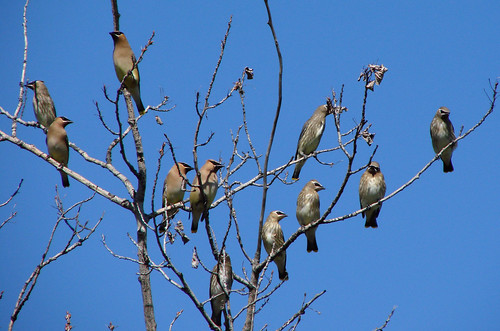
Cedar Waxwings--photo taken September 16, 2007

Karl and Steve counted 552 Cedar Waxwings the day we were there. The movement of Cedar Waxwings in August and September every year is one of my favorite migration spectacles. In 1975, my first year of birding, Russ and I spent the week around Labor Day at his parents’ place in Port Wing, and everywhere waxwings were perched in trees, calling and sallying out to snap up insects. And it was the same every year, so that waxwings became entwined in my very concept of August and September.

Fun as it is to watch waxwings move about in flocks, counting them adds challenge to the joy. The groups of birds—both large and small—seem to swirl about as the birds shift positions within the flock. Fortunately, they’re moseyers who never seem to be in a hurry, so a flock is usually in view long enough to get an accurate count, and even when we have just a quick look or are dealing with a huge flock, we can usually get a reasonable estimate. My hearing is not as good as it once was, but I can still pick up their wavering, high-pitched calls, like tiny mice snoring, and it’s impossible to hear or see them without smiling.

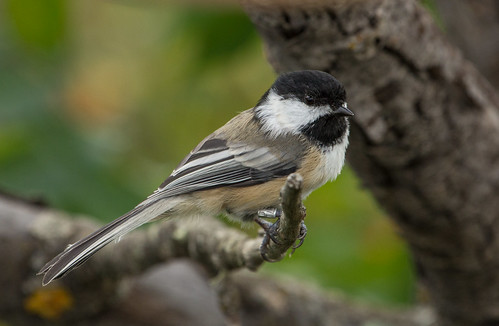
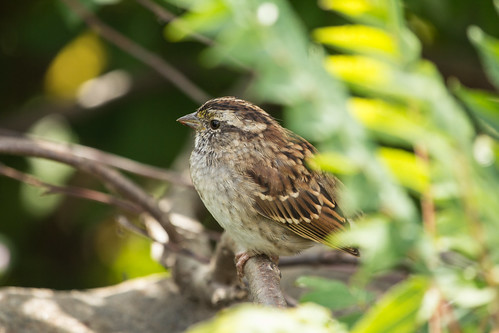
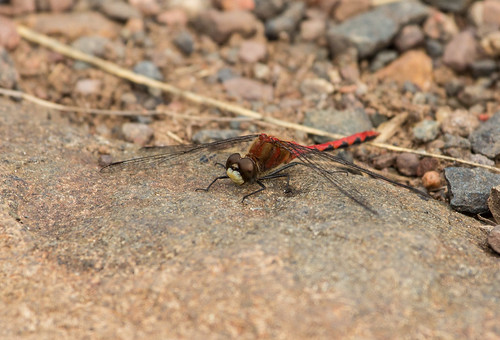
I saw a few dozen waxwings on my pleasant afternoon at Hawk Ridge, along with two Osprey, several Bald Eagles, a couple of Sharp-shinned and Broad-winged Hawks, three or four kestrels, and two Merlins. A chickadee wearing a leg band posed for some nice photos, along with a few White-throated Sparrows. Dragonflies were flying—I got one nice photo of a white-faced meadowhawk. All in all, I could have done a lot worse than spend a September afternoon at Hawk Ridge.

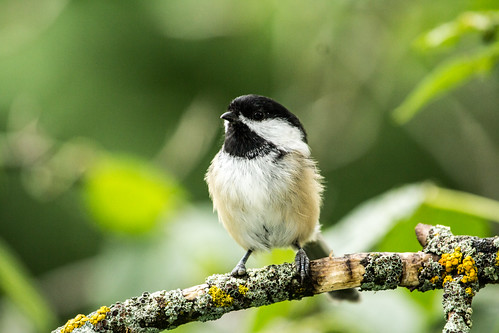
Banded Black-capped Chickadee
Black-capped Chickadee

White-throated Sparrow


White-faced Meadowhawk
See Hawk Ridge's day-to-day count summaries at Hawk Count.

Tuesday, September 2, 2014

Migration Watching from My Window

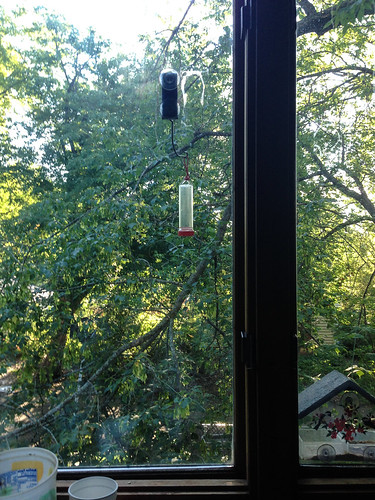
View from my office window
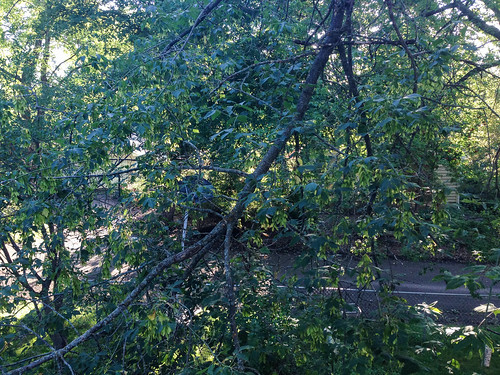
View from my desk
I’ve been spending more time at my desk than I like lately, and it is especially frustrating with fall migration kicking in in a serious way. Fortunately, the box elder right next to the window by my computer is a most inviting tree, and so I get plenty of looks at wonderful birds even when I’m stuck indoors.

View from my office window
View from the open window

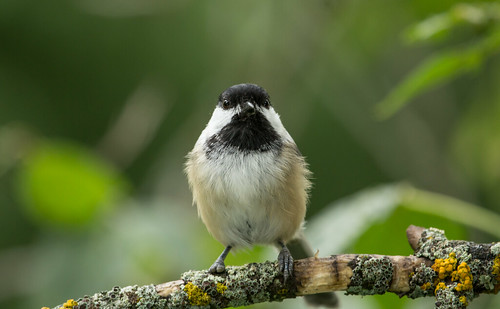
On September 1, for example, while other people were out celebrating Labor Day and I was indoors feeling sorry for myself, my little chickadee with the damaged foot, missing all its front toes, turned up. This is the same bird that had the deformed bill, with the upper mandible way longer than it should have been. Now it’s using the foot fairly gracefully. It got through this summer’s molt perfectly, so it’s in beautiful plumage right now, too. I was delighted to be able to photograph it right out my window, and it posed for some very nice pictures.

Black-capped Chickadee
My little chickadee with the missing toes

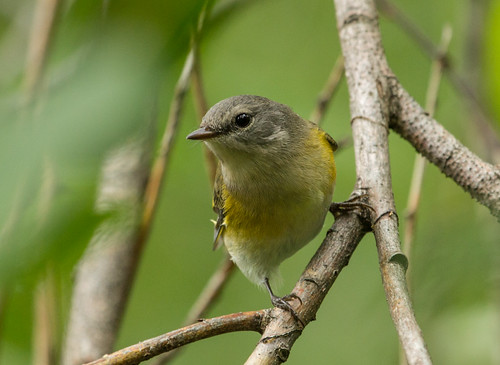
During migration, one of the bonuses of seeing chickadees is finding the birds that move about with them. Right through my window, I spotted Black-and-white, Nashville, and Magnolia Warblers, American Redstart, and Red-eyed Vireos.

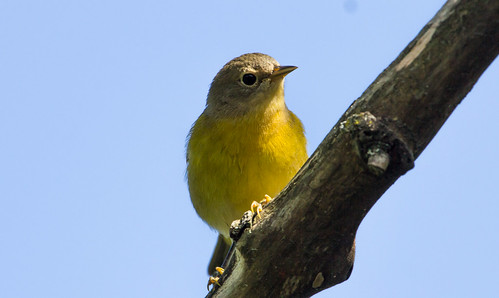
Nashville Warbler
Nashville Warbler

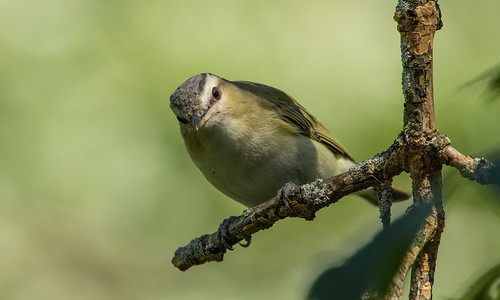
Red-eyed Vireo
Red-eyed Vireo

And with so many birds right there, I knew there’d be more in other trees, so I headed out to the backyard to add Northern Parula, Tennesee, and Chestnut-sided Warblers, along with a Least Flycatcher and House Wren, and more Magnolia Warblers, redstarts and vireos.

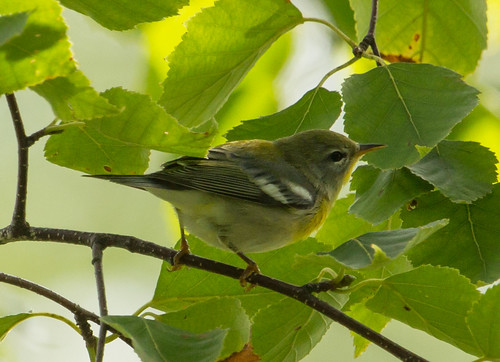
Northern Parula
Northern Parula

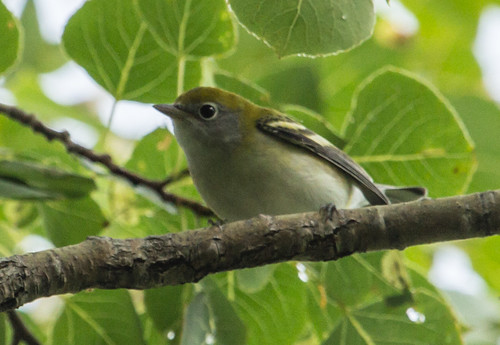
Chestnut-sided Warbler

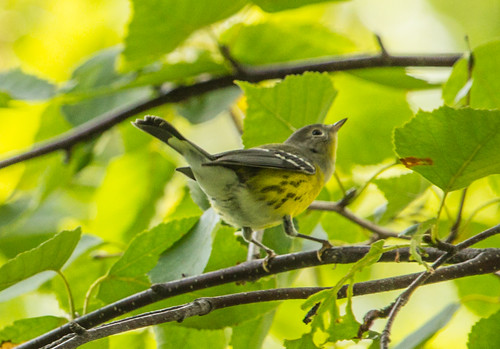
Magnolia Warbler
Magnolia Warbler

American Redstart
American Redstart

These are all migrants who don’t know their way around the neighborhood, but they were all hatched in Canada or further north in Minnesota, and know full well that chickadees know all the best places to find food or hide out from predators, and chickadees welcome any little birds that tag along with their sociable little flocks. It’s always a good idea to keep an eye out whenever chickadees are around, especially during migration. Even if you can’t step outside, you never know what’s going to show up out the window.

Black-capped Chickadee
My little chickadee

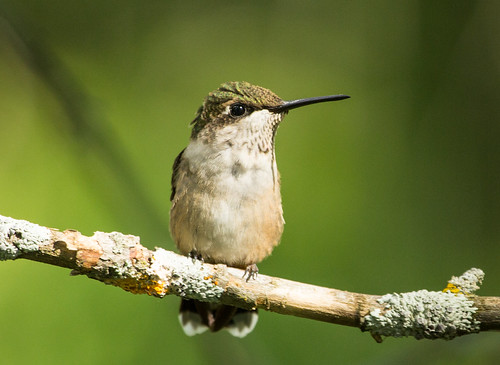
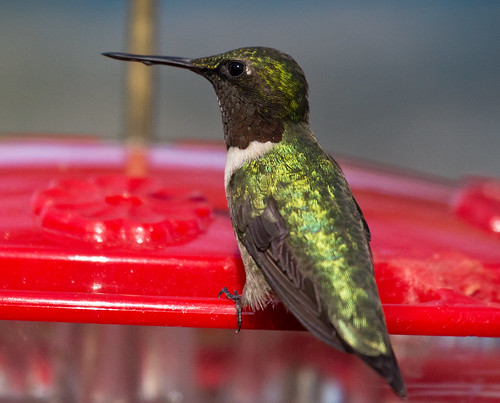
I haven’t seen an adult male Ruby-throated Hummingbird in a little over a week now—the only ones remaining are adult females and, mostly, young of the year. A couple of them stopped at my window feeder while I was working away. I’ve been losing some of my hearing, but I always seem to be able to pick up the humming sound their wings make—I’ve even heard it when the windows were closed, but on September 1 they were wide open.

Ruby-throated Hummingbird
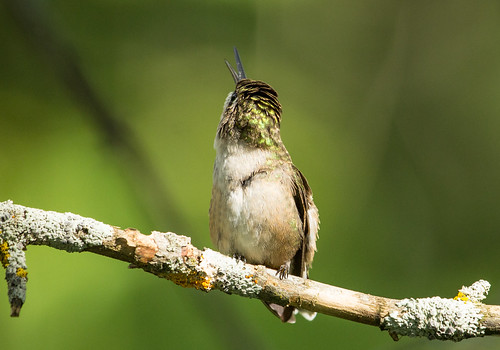
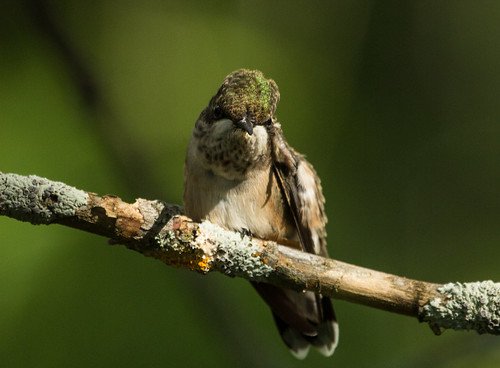
My cooperative Ruby-throated Hummingbird (immature male)

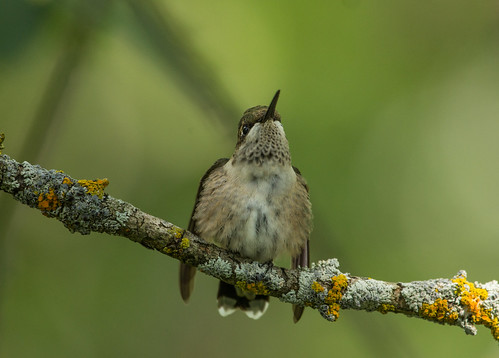
One immature male drank his fill and then perched in the box elder for a few minutes. I like to hold the button down on my camera to shoot a lot of photos at once—with hummers, you can get a lot of completely different shots of the same bird on the same perch, because even when they’re resting they’re looking every which way and preening and yawning and stretching.

Ruby-throated Hummingbird


Ruby-throated Hummingbird


Ruby-throated Hummingbird


My camera shoots several photos per second in the highest resolution setting, the only limitation being how fast the photos can be written to the memory card. I have a very high-speed card, but when the bird stays there being photogenic for more than 7 or 8 shots, the camera shutter stops for a few seconds. I got 54 shots of the bird all in the same spot, and just about all of them are focused, interesting, and different, but I also missed some really good shots during the camera’s down time. That used to fill me with frustration, but now I usually take it right in stride. That hummingbird moved on after its meal and rest stop, but another hummingbird will pass through, and another. I love being outside to see as many birds as I can during migration, but when I can’t, I can at least count on my trusty box elder to draw in a bunch of really cool birds.

eBird list for the day:

Rock Pigeon (Feral Pigeon) (Columba livia (Feral Pigeon))  2
Ruby-throated Hummingbird (Archilochus colubris)  2
Hairy Woodpecker (Picoides villosus)  1
Northern Flicker (Yellow-shafted) (Colaptes auratus auratus/luteus)  2
Pileated Woodpecker (Dryocopus pileatus)  1
Least Flycatcher (Empidonax minimus)  1
Great Crested Flycatcher (Myiarchus crinitus)  1
Red-eyed Vireo (Vireo olivaceus)  3
Blue Jay (Cyanocitta cristata)  7
American Crow (Corvus brachyrhynchos)  1
Black-capped Chickadee (Poecile atricapillus)  8
Red-breasted Nuthatch (Sitta canadensis)  2
White-breasted Nuthatch (Sitta carolinensis)  1
House Wren (Troglodytes aedon)  2
American Robin (Turdus migratorius)  2
Black-and-white Warbler (Mniotilta varia)  2
Tennessee Warbler (Oreothlypis peregrina)  1
Nashville Warbler (Oreothlypis ruficapilla)  3
American Redstart (Setophaga ruticilla)  8
Northern Parula (Setophaga americana)  1
Magnolia Warbler (Setophaga magnolia)  3
Chestnut-sided Warbler (Setophaga pensylvanica)  2
Chipping Sparrow (Spizella passerina)  3
White-throated Sparrow (Zonotrichia albicollis)  1
Northern Cardinal (Cardinalis cardinalis)  1
American Goldfinch (Spinus tristis)  3

Monday, September 1, 2014

Centenary of the Death of the Last Passenger Pigeon of Them All


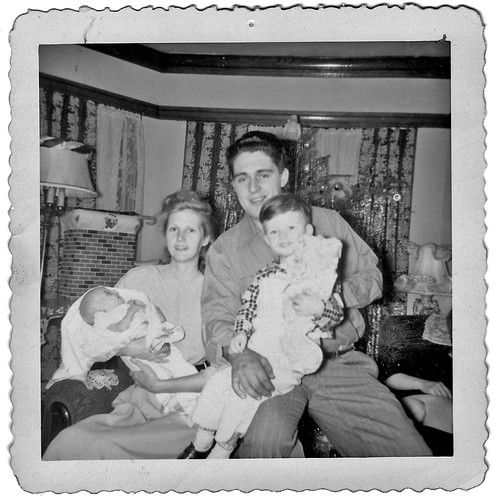
On September 1, 1980, which happened to fall on a Labor Day just like this year, my brother called me up first thing in the morning—our dad had just collapsed and died of a heart attack. It was a shock—he was a 50-year-old Chicago firefighter, and he died at the fire hall immediately after a fire. My first child wasn’t born until the next year. I can see a bit of my dad in the mirror, and in my kids, yet to this day I feel viscerally how crushing the permanence of death is.

Christmas 1951

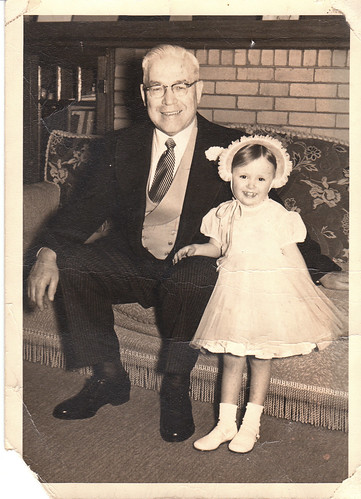
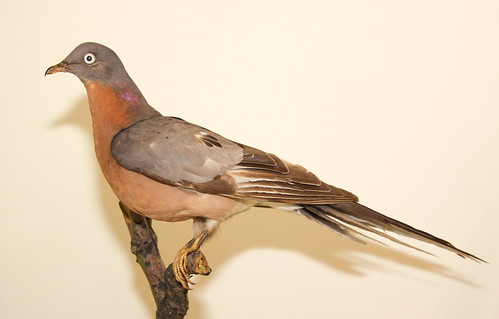
September 1 is the anniversary of another death, too—that of Martha, the very last Passenger Pigeon on earth. Martha died 37 years before I was born, but the profound sense of loss I feel for her came about long before I became a birder. I was sitting on my Grandpa’s lap—my father’s father—as he told me about how the skies used to be filled with beautiful pigeons until people killed every one of them. He’d never seen one, either. The year before he was born in 1896, the last recorded nest of a Passenger Pigeon was collected in Minneapolis, and he was only 4 when the last authenticated sighting of a wild Passenger Pigeon, in 1900 in Pike County, Ohio, was made by a boy with a BB gun. Despite large rewards for a living specimen, no more were ever again confirmed, dead or alive. So my Grandpa had no more memories of the species than I did, but he told me the stories his father and grandpa had told him, about the billions that once moved en masse through the country. My Grandpa read a newspaper story about Martha’s death when he was a teenager in 1914.

Grandpa and me

The concept of extinction was a difficult one for a preschooler to fathom, but my Grandpa’s profoundly sad look as he told me about this beautiful bird made me grieve, too. I saw at least one specimen of the long-lost species at Chicago’s Field Museum when I was taking college ornithology, and paid a lot more attention when I was teaching in Madison, Wisconsin. Several times I brought my middle-school students on field trips to the university zoology museum. The curator, Dr. Frank Iwen, always pulled Passenger Pigeons from the drawers for the kids to see. The birds were so beautiful, and his descriptions of the huge flocks and how people massacred them so vivid and gut-wrenching, that all the visceral feelings of sadness stirred by my Grandpa came flooding back, every time.

Frank then showed the kids specimens of declining species, and told us how critical it was for us to protect them so we wouldn’t one day be telling our children about reading in the paper about the death of the last Atlantic Puffin or Whooping Crane.

Passenger Pigeon

Today, two full generations after the Endangered Species Act was passed, a great many people have still not accepted this law of the land and are still trying to gut it rather than find legal ways to increase their personal wealth without compromising the wildlife that belongs to every one of us. The Supreme Court ruled in 1978 that "the plain intent of Congress in enacting" the Act "was to halt and reverse the trend toward species extinction, whatever the cost." Yet powerful moneyed interests would let dangerously declining species such as Lesser Prairie-Chickens and Greater Sage-Grouse go the way of the Passenger Pigeon, and people with no first-hand experience of these spectacular birds and no stories told by loving parents or grandparents have no visceral sense of what is at stake.

My feelings of loss with regard to the Passenger Pigeon are so deep because of my Grandpa’s stories, as his were because of the stories he heard by his own father and grandfather. There can be no more than one or two people still alive on earth who saw Martha alive in the zoo, and no human remains who saw with his or her own eyes flocks of Passenger Pigeons. As our society pulls ever further from the natural world, vulnerable species become little more than abstractions. When they vanish, who will be left to mourn them and tell stories about them?

So on September 1 each year, I remember my father, and my Grandpa, and a bird that was once the most abundant bird on the planet but was killed off so long ago that none of us ever got to see one. On this hundred-year anniversary of the death of Martha, the last of her kind, I’m recommitting myself to fighting for the right to existence of the birds that remain, by trying to get more people out there seeing and connecting with real birds on this real planet, in the hopes that we will all be able to share living, breathing birds—the natural heritage of every American—with our children and grandchildren, not telling them stories of beautiful species that we sat back and allowed to vanish forever.

Thursday, August 28, 2014

Minnesota Vikings Stadium Controversy

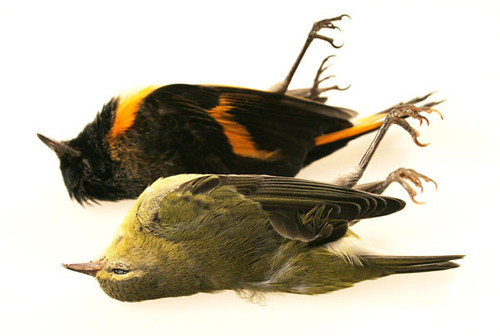
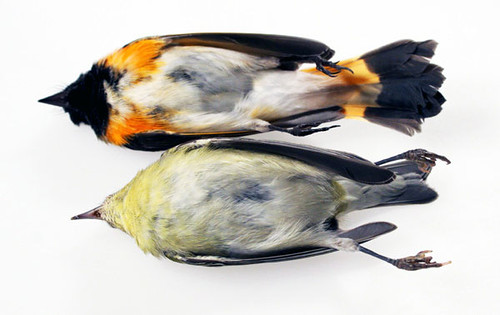
American Redstart and Tennessee Warbler

In the past several weeks, I’ve been reeling from the deaths of three relatives who played major roles in my childhood, and haven’t had the time or energy to focus on an important bird issue right down in the Twin Cities—the proposed design for the new Vikings stadium. The stadium will be built less than a mile from the Mississippi River, a major migratory pathway for a huge variety of birds, and the design includes over 200,000 square feet of glass, which will most assuredly kill birds by the thousands, or even more, every year.

When the original plans were released, Audubon Minnesota met with the Vikings to work out some ways of reducing the danger. Although the team appeared to be making a good faith effort to modify the design plans, they made the final decision this week to completely ignore the problem. Modified glass would add less than a million dollars to the billion-dollar-plus costs of this taxpayer-funded project—that is, less than a tenth of one percent of the total cost, but a spokesman for the Vikings said that money wasn’t an issue anyway. Their architect apparently thinks a beautiful view of the sky during the few daylight hours of home games every season is a more important issue than thousands of birds crashing into the glass.

American Redstart and Tennessee Warbler

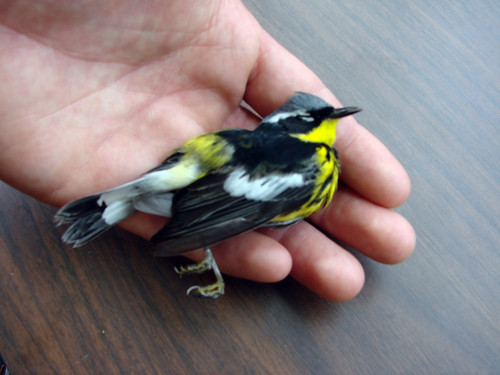
Collisions with glass take out from 300 million to a billion birds a year in the United States alone. The species killed are not the abundant ones so conspicuous in the urban landscape such as pigeons, crows, and starlings but, rather, migrating songbirds headed to the tropics, such as tanagers, orioles, and warblers. These migrants spend their days resting and devouring as much food as they can, and their nights flying long distances, when hawks are asleep, temperatures are cooler, and wind speeds lower. 

Nocturnal migrants usually rest at sunset and take off well after dark. Birds perched in trees or shrubs instinctively know they have a safe path through the branches if they take off directly toward a bright light, which until the past 140 years or so would have been the moon or stars. Once aloft, if they become disoriented by fog or a low cloud ceiling, flying toward a light always assured them of a safe path to an unobstructed view of the sky. At that point, they use the earth’s magnetism or star patterns to navigate. In either case, their inborn tendency to fly toward a brightly lit area explains why so many are found dead under buildings after heavy migration nights.The brightly lit stadium will disorient and attract a great many birds straight to the glass, especially on foggy nights. 

By day, migrating songbirds concentrate near lakes, rivers, and streams, where insects are most abundant. In the Twin Cities, a great many of them are drawn to the vicinity of the Mississippi. Many of those that see trees and sky reflected in the glass of the proposed stadium are likely to crash, too. 

Millions of songbirds fly over the Twin Cities each fall and spring, and so a glass-covered football stadium so close to the river is guaranteed to kill large magnitudes of them, by day and by night. More and more people are becoming aware of the huge death toll from collisions with glass every spring and fall, but unfortunately, influential architects seem blind to the situation.

My friend Sharon Stiteler, a very well-known and influential birder in the Twin Cities, along with Audubon Minnesota, just delivered a petition with over 76,000 signatures to Minnesota Governor Mark Dayton, asking him to require the Vikings to use less dangerous materials for the stadium. I signed the petition, and will also be calling his office today (651-201-3400). Our individual voices are pretty insignificant against huge moneyed interests, but one would hope that if we all speak out, our thousands of voices might be heard above the one architect being paid by our taxes. This stadium is supposed to belong to the people whose taxes are paying for so much of it, and we the people of Minnesota value our wildlife as much as our football team. A creative, competent architect would know how to solve this problem. Thousands of dead birds are NOT "aesthetic."

Magnolia Warbler killed in window collision

Friday, August 22, 2014

Revisiting the Endangered Species Act

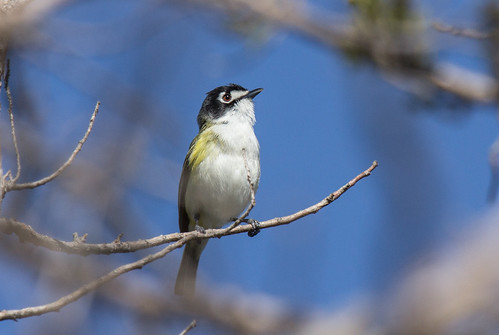
Black-capped Vireo

In 1900, the United States government enacted the first federal law designed to protect wildlife, the Lacey Act, which prohibited interstate commerce of animals killed in violation of state game laws. In 1918, the Migratory Bird Treaty Act made it illegal to hunt, pursue, take, capture, kill, or sell any migratory birds without a proper license. Being a federal treaty act entered into with Great Britain on behalf of Canada and then, in 1936, with Mexico, the Migratory Bird Treaty Act overrode provisions of state law. That is why people need to have just a state license to hunt most wildlife, but must also have a federal permit to hunt waterfowl and most other migratory birds.

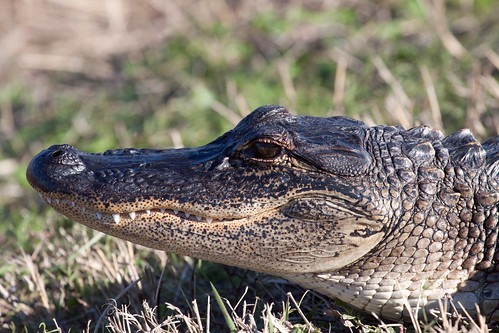
American Alligator

In 1966 Congress passed the Endangered Species Preservation Act, which permitted the listing of native US animals as endangered, and provided limited protections for those animals. In 1969, an amendment provided additional protection to species in danger of worldwide extinction by prohibiting their importation and sale in the US, and expanded on the Lacey Act by widening the number of species protected, including reptiles to reduce poaching of alligators and crocodiles.

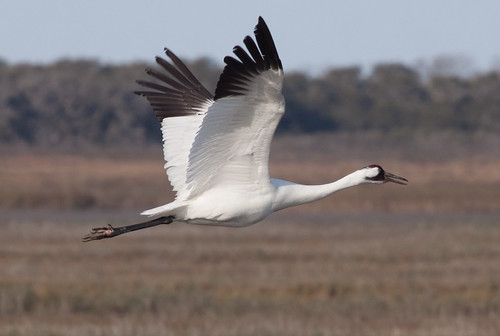
Whooping Crane

The Lacey Act was entirely focused on interstate commerce, and that first endangered species act didn’t address many of the root causes of species declines, and so in February 1973, President Richard Nixon called on the 93rd United States Congress to pass comprehensive endangered species legislation. Concerns about endangered wildlife were so widespread and bipartisan that Congress quickly responded with a completely rewritten law, the Endangered Species Act of 1973, which Nixon signed into law that very same year, on December 28, 1973. In a 1978 decision, the U.S. Supreme Court found that "the plain intent of Congress in enacting" the ESA "was to halt and reverse the trend toward species extinction, whatever the cost."

Almost as quickly as it was enacted, people started fighting against species protections when their economic interests were at stake. Presidents Reagan and George W. Bush’s administrations were famous for their efforts at cutting back protections, but even democratic presidents haven’t done much to strengthen protections.

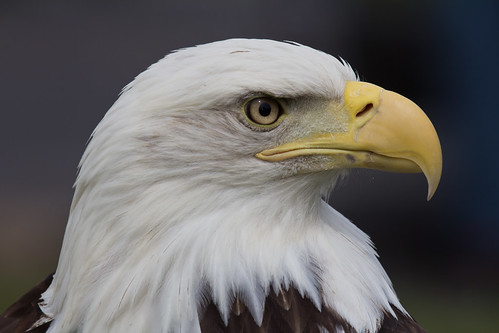
Bald Eagle

Now the US Fish and Wildlife Service has announced a new interpretation of the Act that retreats from the conservation ethic that provided much of the strength of the Act as originally passed. A species can now be completely disappearing over a large swath of its range without qualifying for protection as long as there is a viable population somewhere. Following this new definition, Bald Eagles wouldn’t have qualified for protections back in the 70s and 80s, because their numbers were still relatively strong in Alaska. Although the gray wolf has been lost from 85 percent of its historical range, it is in the process of losing all endangered species protection because its numbers are considered strong in that last 15 percent of its range.

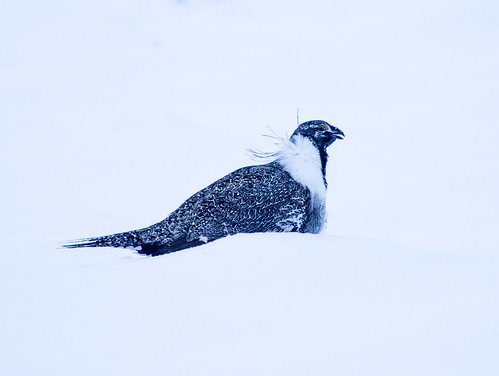
Greater Sage-Grouse

I’m sure oil and gas corporations appreciate this new interpretation, which will allow them to further destroy habitat essential to sage grouse, which have declined by more than 95 percent since the 1960s. Sage grouse were originally found in 16 states and 3 provinces, but have been entirely wiped out of British Columbia and 5 states, and remain in serious decline everywhere else. Yet moneyed interests continue to press for further development of their limited range, and hunters and falconers continue to take them, laying waste to the concept of limiting harvest to a surplus population.

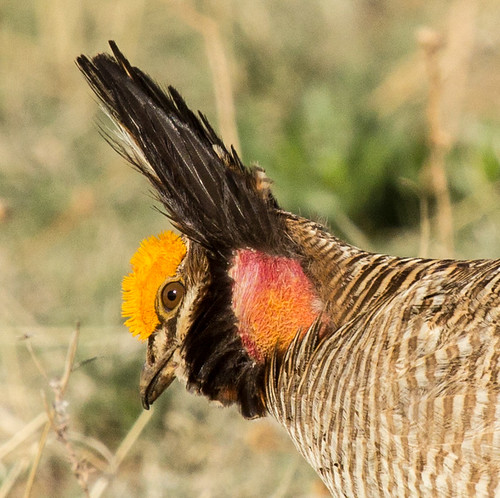
Our schools have never been required to teach students about natural resources, including the very species on which local and regional economies depend, so moneyed interests can easily confuse the public. I’ve read about people claiming prairie chickens and sage grouse can be raised in captivity to be protected from extinction—they call them “chickens” to make people think they’re not very different from domestic chickens, but these wild species have specialized behavioral and habitat needs. Captive breeding programs for the critically endangered Attwater’s Prairie-Chicken have been hugely expensive and required huge swaths of land at NASA’s Johnson Space Center, yet are still tenuous.

I think people are just as concerned about endangered species as we were in the 1970s, but now we have a much stronger sense that there’s nothing we can do to reverse trends and prevent losses. Back in the 1960s, I’d read Reader’s Digest articles about how people in the Soviet Union felt utterly helpless in the face of bureaucracy and the powerful Communist Party ruling their government. Today’s Americans are feeling equally helpless in the face of bureaucracy and corporate powers ruling our government. We the people can move forward to preserve and protect our country’s rich natural heritage, but only if we start believing, as we did in 1973, that we can.

Lesser Prairie-Chicken

Thursday, August 21, 2014

Hummingbirds!

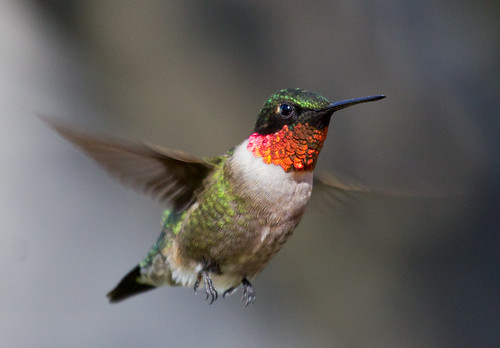
Ruby-throated Hummingbird

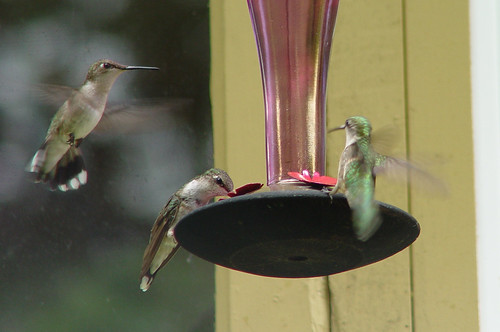
Mid- to late-August is the peak migration period for Ruby-throated Hummingbirds passing through the upper Midwest, and sure enough, my hummingbird feeders have been hopping for the past couple of weeks. I got to spend August 16 in Henderson, Minnesota, at their annual Henderson Hummingbird Hurrah, a birding festival specifically celebrating these tiniest of all breeding birds in the East. Participants get to watch Donald Mitchell banding hummingbirds. Very few bird banders are certified to trap and band hummingbirds—they need specialized training and special equipment—and Don is not just a valuable treasure at the hummingbird festival for his banding qualifications but also because he’s knowledgeable about a great many topics pertaining to hummingbirds and hummingbird gardening. (His webpage is specifically about hummingbird gardening.)

This year several people have asked me about the differences between cane and beet sugar, and I’ve heard a few people say that hummingbirds shun beet sugar, so I asked Donald Mitchell about that. He said he goes through so much sugar water, in his own backyard and wherever he’s setting up his traps, that he buys whatever is cheapest, which invariably is beet sugar. He says he’s never had a bit of trouble attracting and keeping hummingbirds with it. So when people are having difficulties attracting hummingbirds, the problems are almost certainly not related to the kind of sugar.

Other people asked Don about some other rules about hummingbird feeders. He emphasized that there is absolutely no reason to ever add food coloring to hummingbird feeders, and that it may well be harmful. Sheri Williamson, a hummingbird authority from Arizona, says there is plenty of science showing the dangers of red dye, based on studies on humans, lab animals, and even cell cultures. Sheri has a particular antipathy for commercial hummingbird food mixtures, which are really nothing but “overpriced, overpackaged sugar adulterated with unnatural, unnecessary, and potentially hazardous chemicals.”

There is no need to boil water or go to any trouble mixing sugar water. Tap water is just fine. Distilled water lacks minerals, and so some researchers caution against using it.

When you have lots of hummingbirds, feeders get emptied frequently. When you don’t, the sugar water should be changed every two or three days anyway—whether you boiled the water or not, and whether you used distilled water or not, the moment a hummingbird’s bill and tongue are inserted, germs are present, and little by little the water gets cloudy. Thoroughly rinsing the feeder, using a toothbrush or bottlebrush in any crevices, is a good idea, especially if you waited a bit too long to change the water.

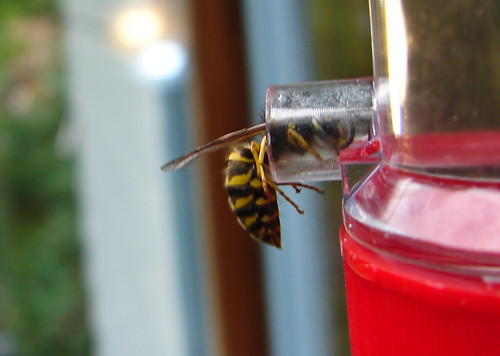
Wasp in hummingbird feeder

Don said if you’re having trouble with wasps and bees, the best feeders are the bowl-type, because they can be filled just partway, making it too hard for insects to reach the sugar water while hummingbirds have no trouble.

Ruby-throated Hummingbird

The sweetness of natural flower nectar is all over the map, but in the flowers most well adapted to hummingbirds, the ratio of sucrose to water varies between about 1:5 and 1:3. The best concentration for feeders over the widest conditions is about a ¼ cup of sugar per cup of water, but you can make it stronger, up to about 1/3 cup of sugar per cup of water, which is especially valuable during cooler or wetter conditions. During droughts and excessively hot weather, making it a bit weaker, or about 1/5 cup of sugar per cup of water, can be healthier for birds in danger of dehydration. Of course, if that's hard to remember, 1/4 cup of sugar per cup of water is perfectly okay all the time.

Ruby-throated Hummingbird

For the next two weeks or so, hummingbird feeders are going to be buzzing with activity, but within another couple of weeks, hummingbirds will pretty much disappear from the northland. I’ll still keep my feeders going well into fall. Hummingbirds need a lot more than sugar water, and even the best feeding stations won’t keep them longer than the birds need for replenishing their fat to fuel their migration. I’ve had hummingbirds at least occasionally every October that I’ve left my feeders out, and the one time I maintained a feeder into November, a Rufous Hummingbird turned up. But right now is when feeders are almost guaranteed to attract hummingbirds, and that makes the end of August a perfect time of year.

Wednesday, August 13, 2014

My Father-in-Law

Quarry Point
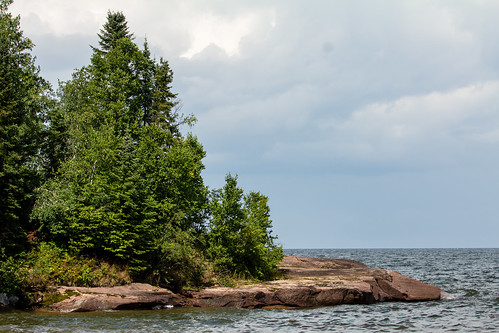
"Dad's Rock"--Quarry Point, Port Wing, Wisconsin
August 14, 2014, would have been my father-in-law’s 98th birthday. He was a quiet man, but had a wonderfully wry sense of humor. Back when Russ and I were dating in high school, sometimes I’d be invited for dinner. I didn’t often want seconds, and Russ’s mom would comment that I ate like a bird. Every time, Russ’s dad gave me a quick smile and piped in, “No she doesn’t. She uses a fork just like anybody else.” His name was Ellwood and at the time I called him Mr. Erickson, but when Russ and I got married, it was ever so easy to start calling him Dad.

1989 Mom, Dad, Joey and Katie at bird house
Russ's mom and dad, Joey and Tommy. (Katie's off to the side.)

My in-laws spent vacations fixing up a little place in Port Wing, Wisconsin, where they moved permanently when my father-in-law retired in 1979. I loved Port Wing even before I became a birder, but it became ever so much richer when I discovered its avian treasures. When my father-in-law went fishing on the Flag River, I often tagged along. We’d spend hours at the streamside without talking. He focused on brook trout, I on warblers and thrushes, but our shared love of being together in that beautiful place didn’t need words.

He also often fished in Lake Superior, from a big rock jutting into the lake just beyond the Quarry Beach. When I got there on my long walks, I’d sit down on the rock for a companionable few minutes. Sometimes my mother-in-law would send him off with lunch or snacks for both of us. As we ate, we’d tell each other how the fishing and birding were going. Before I got back to my walk, I’d point out a group of baby mergansers or a couple of Spotted Sandpipers as he started casting again.

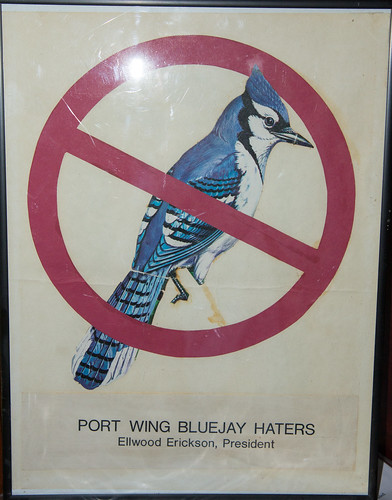
When I came back to the house tired after walking 8 or 12 miles, he’d tease me, saying he could see birds closer just sitting in his chair watching his bird feeders and Marty Stauffer. When he’d complain about all the Blue Jays pigging out at those feeders, I’d tease him right back. When I talked about Blue Jays on my radio program, I often mentioned a fictitious organization, the “Port Wing Blue Jay Haters,” and for Christmas one year, I created a poster for him showing a Blue Jay circled in red with a red slash through it above the words, “Port Wing Blue Jay Haters. Ellwood Erickson, President.” He got a big kick out of that.

Port Wing Blue Jay Haters

One year I put a poem on his birthday card:
There once was an angler named Ellwood
Who fished up in Port Wing, not Bellwood.
   He cast out his line,
   Caught a large branch of pine,
And angrily muttered, “Oh, hell! Wood!”
He got the hugest kick out of that, perhaps especially because of the naughty rhyme.

My father-in-law died in 1992, but whenever I see a Great Gray Owl, I think of one particular one sitting on the fencepost not too far from the house when I was returning after a long winter walk. I rushed in yelling, “There’s a Great Gray Owl on the fencepost!” and he raced out the door, not even grabbing his coat, to see it. I think of him whenever I see Blue Jays. And whenever I’m taking a walk in Port Wing and come to Quarry Beach, there he is, a solitary and beloved figure, lowering his rod and reel to wave to me.

From the vague and nebulous to cataloguing the particular

Part I: The Vague and Nebulous
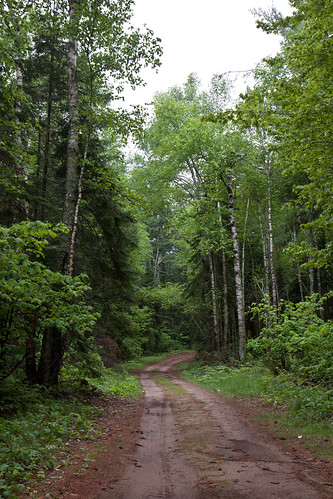
Port Wing: Big Pete Road
Big Pete Road in Port Wing
I was born in Chicago and my family moved, before I was in elementary school, to a town called Northlake in the western suburbs. A polluted creek ran along the grounds of Automatic Electric, a huge factory built on what had been a golf course, and I took lots of walks there, feeling like I was immersed “in nature.” Generic trees lined the creek, and dandelions and a few nameless flowers poked through the lawn. Little rodents we called gophers peeked out of holes. I had no idea that they were 13-lined ground squirrels, nor that the squirrels in my own backyard were of two different species, gray and fox. I’d heard of chipmunks thanks to Disney’s Chip ‘n Dale, but had never seen a real one. 

I knew three birds: the little sparrows that begged for French fries at McDonald’s, the robins running on our lawn or picked up dead for a day or two after the DDT truck went by, and cardinals that sang in our maple tree. I didn’t know if any bird running on a lawn could be correctly called a robin, or if any red bird was a cardinal, and didn’t know how to recognize a maple tree except the one out my window—for all I knew, maple was that tree’s name in the way that Laura was mine. 

As a college freshman at the University of Illinois, I was active in organizing our first Earth Day celebration in 1970, but my understanding of the outdoors was little more informed than the understanding of a baby whose unfocused eyes gaze in wonder at kaleidoscope shapes and colors in a shopping mall.

In 1973, before I took any college zoology classes or became a birder, Russ and I visited his parents in rural Port Wing, where they were fixing up a house for retirement. This was a far more natural place than any I’d ever been to, but all I saw were more generic trees and flowers, and a lot of mushrooms. I noticed an occasional robin, but no other birds.
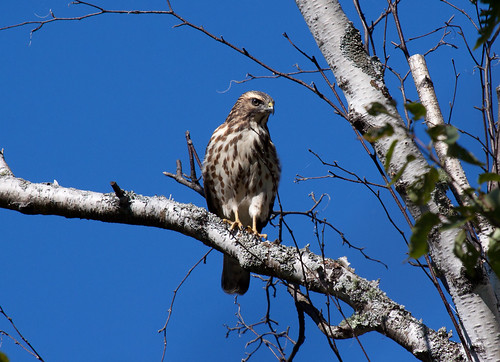
Broad-winged Hawk
Broad-winged Hawk

I’m not quite sure how I got through reading Walden in high school, much less getting A’s in English. What meaning did I extract from sentences like "… the single spruce stands hung with usnea lichens, and small hawks circulate above, and the chickadee lisps amid the evergreens, and the partridge and rabbit skulk beneath”? Hawks were zoo birds, not anything you could see in the real world. Bald Eagles and Red-tails and Broad-winged Hawks almost certainly flew right over my head on that first trip to Port Wing, but I was blind to them. The various animal and plant names Thoreau mentioned were thesaurus words—fancy terms you stuck in your writing to sound smart and impress teachers.
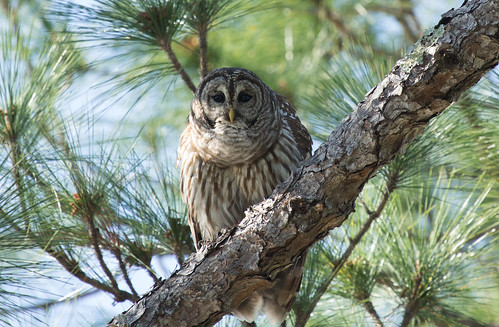
Barred Owl
Barred Owl hooting

I could certainly buy Thoreau’s line, “I rejoice that there are owls”—I loved the one in Disney’s animated Sleeping Beauty. But I was mystified with his next sentences:
Let them do the idiotic and maniacal hooting for men. It is a sound admirably suited to swamps and twilight woods which no day illustrates, suggesting a vast and undeveloped nature which men have not recognized. They represent the stark twilight and unsatisfied thoughts which all have. 
Now I realize that Thoreau was talking about the Barred Owl, something clear to anyone who has heard a pair’s bizarre courtship calls. Thoreau’s fancies were not fed by amorphously generic nature—his imagination was sparked by the real—the particular—even if I didn’t understand that.

I needed one small thing to shift my understanding and bring my nebulous concept of nature into focus. The field guide I received for Christmas in 1974 became my personal catalog to the particular. 
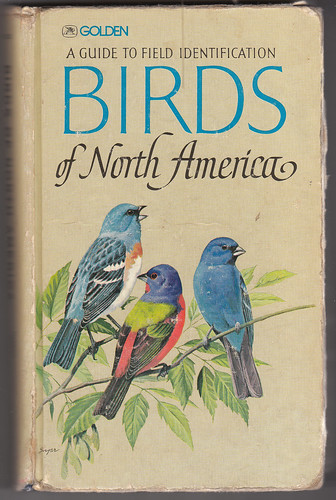
GoldenGuideCover.jpg
My Golden guide

Part II: Cataloguing the Particular
The Sears catalog of my youth gave specific names to household objects. Everyone knew that dads wore shirts—the catalog gave me the words for particular types of shirts—pinstripes or plaid, long-sleeved or short-sleeved, button down or spread collars. People used pots and pans to cook, and the catalog gave the correct names for each kind—frying pans, 1-quart saucepans, double boilers, kettles. Having particular names for them made me pay closer attention, and made even mundane household items more interesting.

For a Christmas gift in 1974, I received a field guide to the birds, and the moment I opened its pages, birds were no longer mysteriously generic things. My field guide catalogued the particular, making me both aware of the myriad possibilities and interested in looking closely at every bird’s every feature. 
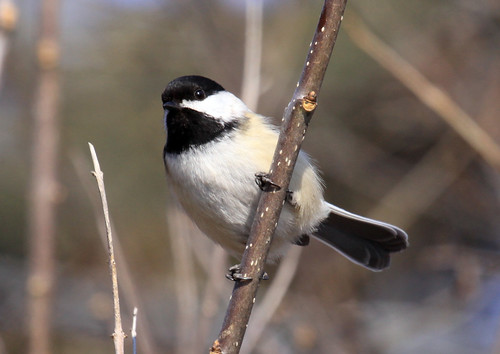
Black-capped Chickadee

When I identified my first bird, a chickadee, it was like getting a delightful package I’d ordered from the Sears catalog, but also a splash of cold water in the face. These chickadees had been in Baker Woodlot all along, on every walk Russ and I took there. But until that moment, they’d been invisible to me.

Now whenever I saw a bird, I paid attention to its particular features. Soon I could instantly recognize chickadees, and by scrutinizing the features of non-chickadees, I could find them in the field guide. I’d been to Baker Woodlot at least a dozen times before I took up birding, and birds were there every time. Now that I had a field guide, suddenly I could see them.
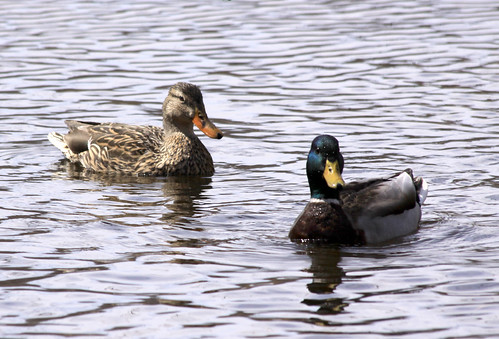
Mallard
Mallards

The ducks on the Red Cedar River on campus morphed into Mallards, and now I could distinguish drakes from females, adding richness and nuance to my concept of ducks; in that first year, I identified eight different duck species swimming in the very spot in Chicago, along Lake Shore Drive, where Russ and I had gone countless times to see sailboats, yet before, if I’d noticed ducks at all, they were simply “ducks.” And before the year’s close, I saw my lifer Snowy Owl flying low over a sidewalk along that stretch of Lake Shore Drive, it’s eyes meeting mine. This new world of particular, cataloged birds was not just a rich one—it was magical.

Catalogs show not just a bunch of items but also a price for each one; my field guide used words like “common” and “rare,” general types of habitat, and seasons of the year, along with range maps, to give me a general idea of how much I needed to invest to find each bird. I discovered a better figurative price list a couple of weeks after I started birding, in a booklet, “Chicagoland Birds: Where and When to Find Them.”
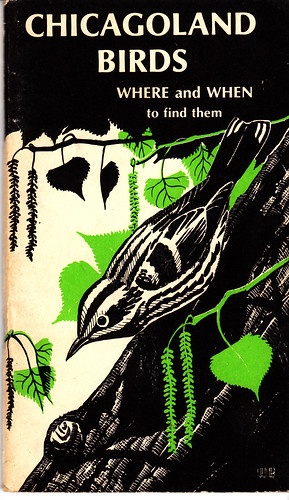
Chicagoland Birds: Where and When to Find Them

It said 372 species had been recorded within 50 miles of the city, 200 occurring regularly, with 173 breeding there. For every fairly regular species, the booklet had a little graph showing how common it might be in Chicago from month to month, and listed the habitats and some specific hotspots where each could be found.
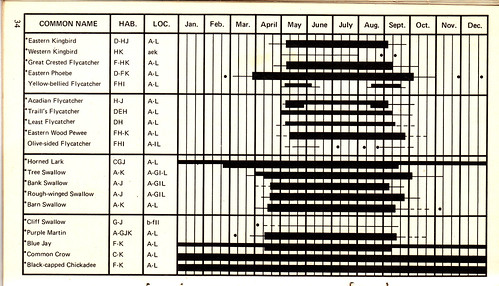
Chicagoland Birds: Where and When to Find Them: Bar Graphs

According to the graphs, chickadees were easy year-round; Barn Swallows abundant only from mid-April through mid-September, and nowhere to be found from November through March. If a bird in the field guide struck my fancy, I could look it up in my Chicagoland Birds book to see how likely it was that I could find it in or near the city.

When I could get to a birding hot spot listed in the book, I was guaranteed to see a bunch of birds, and even when I couldn’t, just walking in our old neighborhood I was easily spotting Chimney Swifts and nighthawks, juncos and White-throated Sparrows, Rose-breasted Grosbeaks and Baltimore Orioles on the same blocks where for the previous 23 years I’d noticed nothing but House Sparrows, robins, and an occasional cardinal. How could I have missed so very much for so very long?
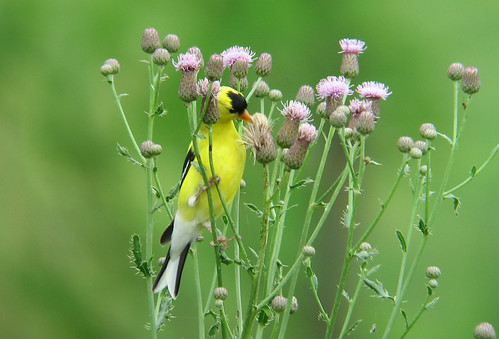
American Goldfinch

Little by little, my love for each particular bird drew particular plants into my sphere of understanding, too. To love Northern Parulas, one must know and appreciate balsams draped with usnea lichens. To love Kirtland’s Warblers, one must love jack pines and the fire cycles that regenerate the trees to ensure that stands of the right size are always available for Kirtland’s nesting. To love goldfinches is to love thistles despite their thorns. Knowing that a streamside thicket would have Willow Flycatchers (well, "Traill's" back then) and Yellow Warblers while a beech-maple forest would have Tufted Titmice and Great Crested Flycatchers made each forest ever so much more than trees.

It would cost time and money to explore America in order to see all the species catalogued between my field guide’s covers, but unlike the products in a Sears catalog, the birds in my Golden field guide were priceless in the literal as well as figurative sense. The best things in life really are free, and my little field guide, which cost all of $4.95, was truly Golden.

Wednesday, July 16, 2014

Doves and Hawks

Bald Eagle

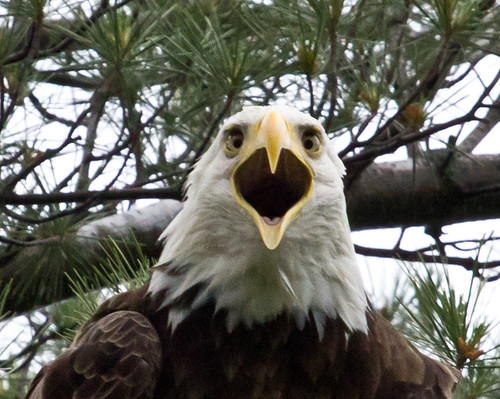
I often wonder about the burden we place on animals when we make them symbols. Thomas Jefferson and John Adams wanted a macho symbol of America when they were designing the national emblem, and chose the Bald Eagle. Ben Franklin disapproved of the choice, claiming the eagle was “a rank coward.”

Franklin's general crankiness with regard to eagles may have been over the top, but he was absolutely right that few raptors, including Bald Eagles, have ever been useful in wartime. Birds of prey may have an image of bravery and machismo, but they'd hardly be helpful in the thick of battle. A falcon does serve as the mascot for the US Air Force Academy’s cadet wing.  The tradition began in 1955 with a Peregrine Falcon named Mach 1. The Academy built some mews and have maintained from 10 to 15 falcons of a few species ever since—mostly Prairie Falcons, but also white Gyrfalcons. Every year four new cadets are selected to learn falconry, replacing the four graduating falconers. The team of twelve cadets is responsible for the care of all the falcons and for training the Peregrine and Prairie Falcons to perform in flying demonstrations.

The falcons kept at the Air Force Academy are bred in captivity, and provide a source of birds for the Academy, for other falconers, and for reintroduction projects. But they're never used in actual missions. Despite the speed, ferociousness, and intelligence of birds of prey, they simply can't help us win wars except by stirring up feelings of power and might. Unwittingly, they’re pretty much like the politicians we call hawks, who stir up the masses to get support for a war, but don’t themselves serve.

 Ironically, doves have served in the military and actually seen combat. They’ve been wounded in action and honored as heroes for their bravery under fire. One of the most famous of these pigeon heroes was Cher Ami, a male donated to the US Army Signal Corps by British pigeon fanciers. He flew 11 missions during World War I before his final battle, during the Battle of the Argonne in France.

On October 3, 1918, more than 500 men of the 77th Infantry Division were trapped in a small depression on the side of a hill, surrounded by enemy soldiers. Their commander sent out several pigeons telling his commanders where they were and how bad the trap was, but one by one, the Germans shot them down. The next day, most of the men had been killed and only one pigeon remained—Cher Ami.
In the afternoon the American Artillery started firing at the Germans, and not knowing where the 77th was, they started dropping shells on them, too. The commander wrote a note: "We are along the road parallel to 276.4. Our own artillery is dropping a barrage directly on us. For heaven's sake, stop it." He attached the message to Cher Ami’s leg and released him. Instantly the Germans started shooting at the little bird, blinding him in one eye, and tearing a hole in his breastbone the size of a quarter. Yet Cher Ami kept flying, higher and higher, until he was out of reach. He flew 25 miles in 25 minutes to his coop and collapsed. The soldier who picked him up saw that one leg had been all but severed—attached by only a few tendons. Somehow that leg had become wedged into the hole in the bird’s breast, the tiny canister with the message still attached. Two hundred American soldiers were saved. They managed to save Cher Ami's life, too. The crippled bird was tenderly nurtured for almost a year before finally succumbing.


Doves don’t fight—when they’re carrying messages, they’re merely returning to their home coop. They value home and hearth, and just want to be left in peace. No one would ever use a pigeon as a symbol to get people fired up to wage a war in the first place.

So ironically, hawks are the birds most likely to promote war while not risking their own lives, while doves, living up to being a symbol of peace, would just as soon avoid war altogether. Yet doves are the ones with the strength and courage to do what needs to be done to actually save the day.

Tuesday, July 15, 2014

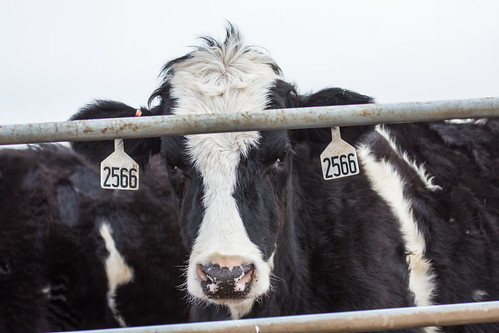
My Favorite Cow

My favorite cow

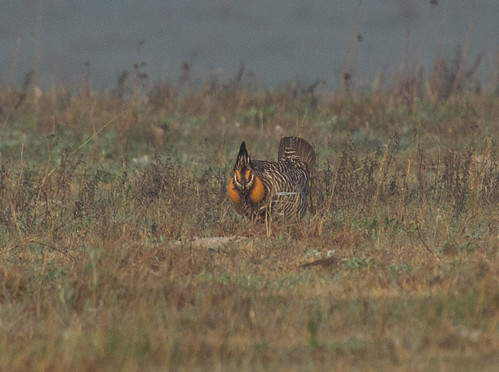
I spent 2013 doing what I called my Conservation Big Year, trying to find as many species as I could in the Lower 48. I found myself in a great many grasslands over the continent, searching for birds from prairie chickens and sage grouse to sparrows and plovers. At the end of April in Kansas, I watched one lone male Greater Prairie-Chicken displaying on his lek. No females had been recorded all season, and the only other male on the lek had been killed by a predator the week before.

Greater Prairie-Chicken

It was cosmically depressing to watch this plucky bird, dancing and booming for over 3 hours without a break, with no hope at all of attracting a mate. That area of Kansas was suffering a crippling drought, and as parched as the landscape was, there were lots of herds of cattle degrading what was left of the sparse vegetation.  All year I was seeing critical habitat destroyed by grazing, until in July I reached my breaking point. Just like that, I stopped eating beef for good.

Over a decade ago, I found myself driving behind a cattle truck for a 50 mile stretch along I-80 in Nebraska, and one cow stared directly into my eyes the whole time. That was enough to make me stop eating beef for a while. But this time I’m committed. I’ve honored my vow except in two or three awkward situations when I'd have felt bad turning down a special meal someone had prepared. I never did eat much meat, so giving up beef hasn’t been a sacrifice. In many ways it literally was the least I could do, but I had to make some kind of gesture to acknowledge how much birds like that lonely prairie-chicken are suffering as the planet tries to accommodate to our ever swelling human population.

My personal issues of not eating beef go beyond the ecological damage that cattle grazing causes. Cows trigger empathy in me. I was never been able to look a cow in the eyes since I went back to eating beef after quitting the one time. But now my conscience is clean. And in December, looking a cow in the eyes made a tangible difference for my final Big Year total.

I spent December 18 at Point Reyes National Seashore in California. According to eBird, there were supposed to be some Pacific Golden-Plovers in the field at a particular mile marker on one road in the park. I stopped by there three times. A man from Boston had parked himself there at mid-morning, and stayed for several hours, scanning the field and the skies and listening for calls. The first two times I stopped, I joined him for a few minutes before heading on to other places, but when I got there around 2:15, he was giving up. After he drove off in discouragement, I walked along the road a bit. A group of cows were out in the field, and suddenly a pretty black-and-white one with large ear tags started walking toward me. When she reached the fence, she mooed softly but insistently, giving me a long hard stare, so of course I had to walk up to her and pet her forehead and the itchy areas around her ear tags. They bore the number 2566. It seemed ironic for me to be making such a personal connection with her when the people who controlled her destiny had marked her with such impersonal numbers. She and I were both enjoying the interchange, and suddenly, as I stroked her, a couple of Pacific Golden-Plovers called from the distance, flew up from the field, and flew directly over the two of us. It was the only time I saw Pacific Golden-Plovers all year, and I would not have seen them at all if not for that cow.  It brought to mind Robert Frost’s lovely poem, “Two Look at Two,” which ends:

Two had seen two, whichever side you spoke from.
'This must be all.' It was all. Still they stood,
A great wave from it going over them,
As if the earth in one unlooked-for favour
Had made them certain earth returned their love.